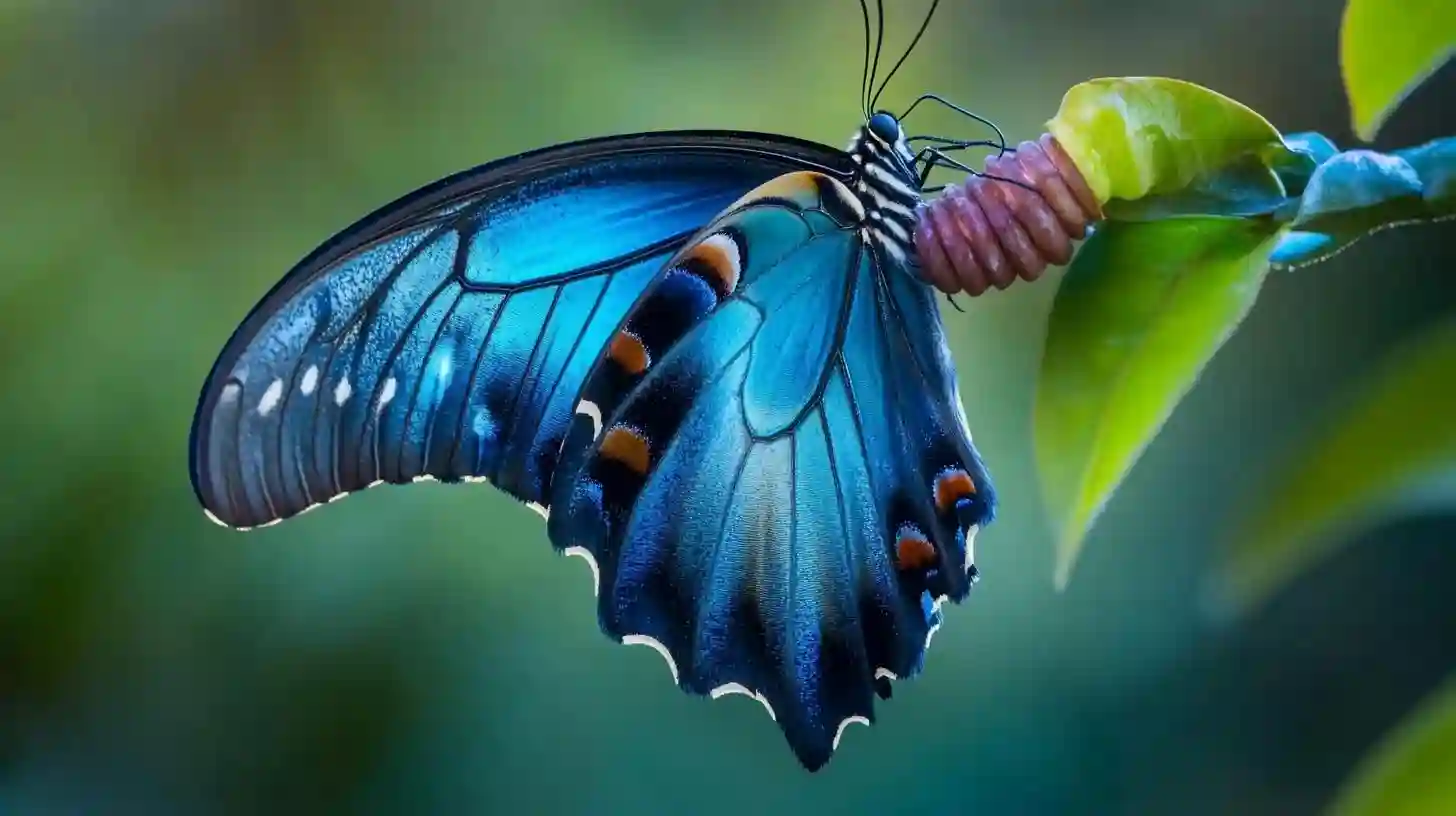
Butterflies are among the most enchanting creatures found in nature, captivating both children and adults alike with their vibrant colors and delicate wings. These insects belong to the order Lepidoptera, which also includes moths, and they are known for their astounding transformations during their lifecycle. What is particularly fascinating is their metamorphosis, a process where they experience dramatic changes – from the tiny egg to a caterpillar, and then from a pupa to the beautiful butterfly we recognize. Each stage of this lifecycle takes place in a fascinating journey filled with remarkable adaptations.
One of the key elements that make butterflies so alluring is their brilliant colors and intricate wing patterns. Their stunning appearances are not just for aesthetic appeal; these colors serve several significant purposes. For many species, the vibrant hues act as a warning to potential predators about their toxicity. Some butterflies possess chemicals in their bodies that can be harmful or unpleasant when consumed, and their bright colors communicate this danger effectively. Additionally, for butterflies that are not toxic, mimicry becomes an essential survival strategy. They have evolved to resemble the colorations of toxic species to avoid being eaten by birds and other predators. This fascinating example of survival showcases the complexity of their interactions within ecosystems.
Butterflies are also intriguing when it comes to their feeding habits. Unlike many insects, they lack chewing mouthparts, which are typically used to consume solid food. Instead, they possess a specialized feeding structure called a proboscis – a long, tube-like mouth designed for sipping nectar from flowers. This adaptation not only aids in their feeding but also makes them essential pollinators in many environments. As they flit from flower to flower in search of nectar, they inadvertently transport pollen, facilitating the reproductive processes of various plants. This symbiotic relationship between butterflies and flowering plants illustrates the delicate balance within ecosystems and highlights the importance of insects in sustaining plant diversity.
The migration of certain butterfly species is another remarkable aspect of their biology. Monarch butterflies, for instance, embark on epic journeys that can span thousands of miles, traveling from North America to central Mexico for the winter. This incredible migration requires the butterflies to navigate based on various environmental cues, including the position of the sun and the Earth’s magnetic field. Their ability to travel such long distances is impressive, and the phenomenon has been studied extensively by scientists seeking to understand the navigational instincts of these delicate creatures.
The diversity among butterfly species is truly astounding. There are approximately twenty thousand known species worldwide, each with unique characteristics and behaviors. Some butterflies are known for their solitary nature, while others engage in mass gatherings, especially during migration or mating seasons. The variety in behavior extends to their reproductive strategies as well. Many species exhibit intricate courtship rituals, which may involve displays of color, fluttering movements, or pheromone release to attract a mate. These behaviors not only enhance the chances of successful reproduction but also contribute to the breathtaking displays of nature.
Butterflies also play a significant role in ecological research and monitoring. Because they are sensitive to environmental changes, scientists often use populations of butterflies as indicators of ecosystem health. Changes in their numbers can reflect alterations in habitat quality, climate, and the presence of pollutants. This makes butterflies crucial allies in the study of biodiversity, as tracking their populations can provide valuable insight into the impacts of human activity and environmental changes.
One cannot overlook the sheer beauty of butterflies in art and culture. Across different civilizations and societies, butterflies have served as powerful symbols often associated with transformation, hope, and the ephemeral nature of life. Their aesthetic appeal has inspired countless artists, writers, and creators, leading to the depiction of butterflies in various forms of art, poetry, literature, and even fashion. This intersection of nature and culture highlights the profound impact butterflies have on human societies and their ability to evoke emotions and inspire contemplation.
The threats facing butterfly populations today should not go unrecognized. Habitat loss, climate change, and pesticide use pose significant challenges to their survival. Conservation efforts are increasingly important, as protecting these delicate wonders ensures the preservation of not only their species but also the myriad ecosystems they support. Gardeners and nature enthusiasts are taking active steps to create butterfly-friendly habitats, such as planting native flower species and reducing pesticide applications to nurture these fragile beauties. Through understanding their importance, people can contribute significantly to the future of butterfly populations and, by extension, the health of our planet.
Ultimately, butterflies embody a delicate blend of beauty, complexity, and ecological importance, making them a profound symbol of nature's wonders and a reminder of the intricate workings of life on Earth.