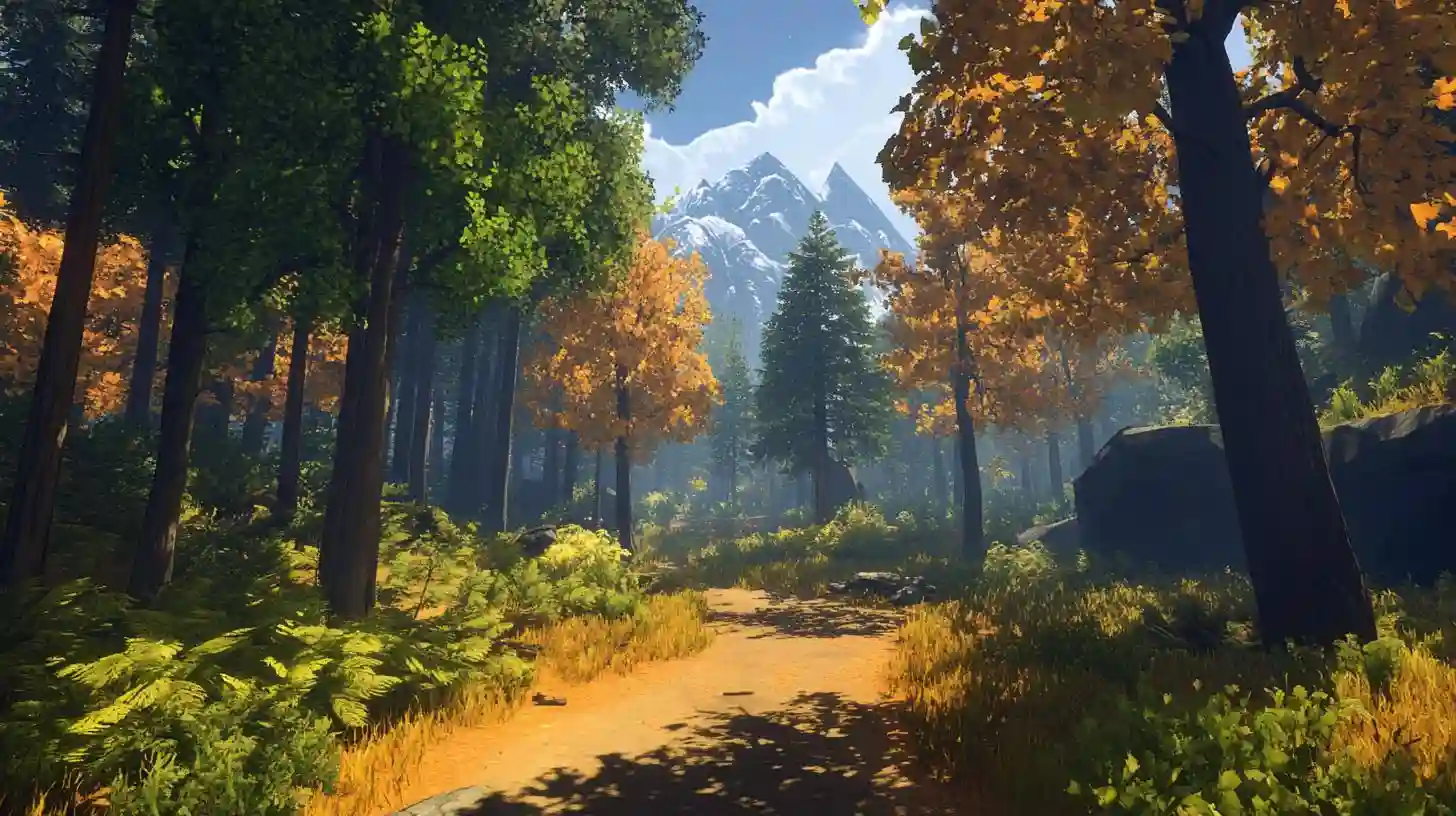
The transformation of forests around the world is a critical component of the larger conversation surrounding climate change and biodiversity loss. Forests are not static entities; they are dynamic ecosystems that shift over time under the influence of natural processes and human intervention. As environmental conditions fluctuate, these woodlands adapt in ways that reflect their resilience and vulnerability. One of the most noticeable changes is the alteration in species composition. Different tree species demonstrate varying responses to changes in temperature, precipitation, and the occurrence of pests and diseases. For example, regions previously dominated by conifers might begin to see an influx of deciduous trees as temperatures rise. This shift can lead to new challenges for wildlife that relies on specific habitats, influencing everything from nesting behavior to food availability.
Furthermore, human activity has accelerated many of these changes. Deforestation for agriculture, urban development, and industrial logging has decimated vast areas of woodland, leading to habitat fragmentation. When forests are cut down or disturbed, it creates edge effects that can significantly alter the ecological balance. This means that the remaining patches of forest may not only support fewer species but also struggle to maintain the integrity and functions that larger, contiguous forests provide. Restoration efforts, including reforestation and afforestation, aim to counteract this damage. However, planting trees is not as straightforward as it may seem. The selection of appropriate species for a given location is essential to ensure that the newly planted trees thrive and that they support the native flora and fauna that were displaced.
Climate change poses another significant challenge for forests. Rising global temperatures are influencing the growing seasons, altering the timing of flowering, fruiting, and leaf out in various species. Some studies suggest that certain tree species may be unable to cope with the accelerating rates of climate change and might be lost from certain regions entirely. These shifts can trigger a cascade of effects throughout the ecosystem, influencing everything from soil health to the water cycle. For instance, changing tree composition might impact how much water is retained in the soil, which in turn affects plant growth and animal habitats.
Increased frequency and intensity of forest fires are another aspect of this evolving tapestry. Forests that once had specific fire regimes are now witnessing fires of unprecedented scale and severity. This trend can be attributed to a combination of factors, including prolonged droughts, heat waves, and a build-up of combustible materials due to changing land-use practices. Some ecosystems, such as certain pine forests, are adapted to fire and may rely on it for their regeneration. However, when fires become too destructive, they can eliminate centuries-old trees and disrupt the ecosystem to the point where it may never fully recover.
Insects and pathogens are also taking their toll on forests globally. The introduction of non-native species can wreak havoc on local ecosystems, as seen with the Emerald Ash Borer affecting ash trees in North America. Such infestations lead not only to tree mortality but also to shifts in species interactions, making ecosystems more fragile. These pests thrive in warmer climates, compounding the effects of climate change and creating additional stressors for forest health.
On the brighter side, technology and scientific research are helping us understand and manage these changes more effectively. Remote sensing technologies have become invaluable in monitoring forest health and assessing carbon stocks, allowing for more informed decision-making regarding conservation and management efforts. Innovations in tree breeding and genetic engineering offer potential avenues for developing resilient species that can withstand changing environmental conditions. Expanding our understanding of forest genetics and ecology is essential in cultivating woodlands that can thrive in a continually shifting landscape.
Community engagement plays a vital role in forest conservation and restoration. Local populations often hold invaluable traditional knowledge regarding native species and ecological practices. Empowering these communities can lead to collaborative conservation efforts that not only restore ecosystems but also honor cultural connections to the land. Education and outreach initiatives can cultivate a sense of stewardship among younger generations, promoting a long-term commitment to forestry's health.
The transformation of our forests offers a mirror to the intricate relationships within ecosystems and the intricate tapestry of life that depends on them. The interplay between nature and human influence creates a unique challenge for conservationists, policymakers, and society at large. By recognizing that forests are not mere resources but rather complex, interdependent ecosystems, we can better prepare for the challenges that lie ahead while safeguarding the irreplaceable benefits that trees provide.