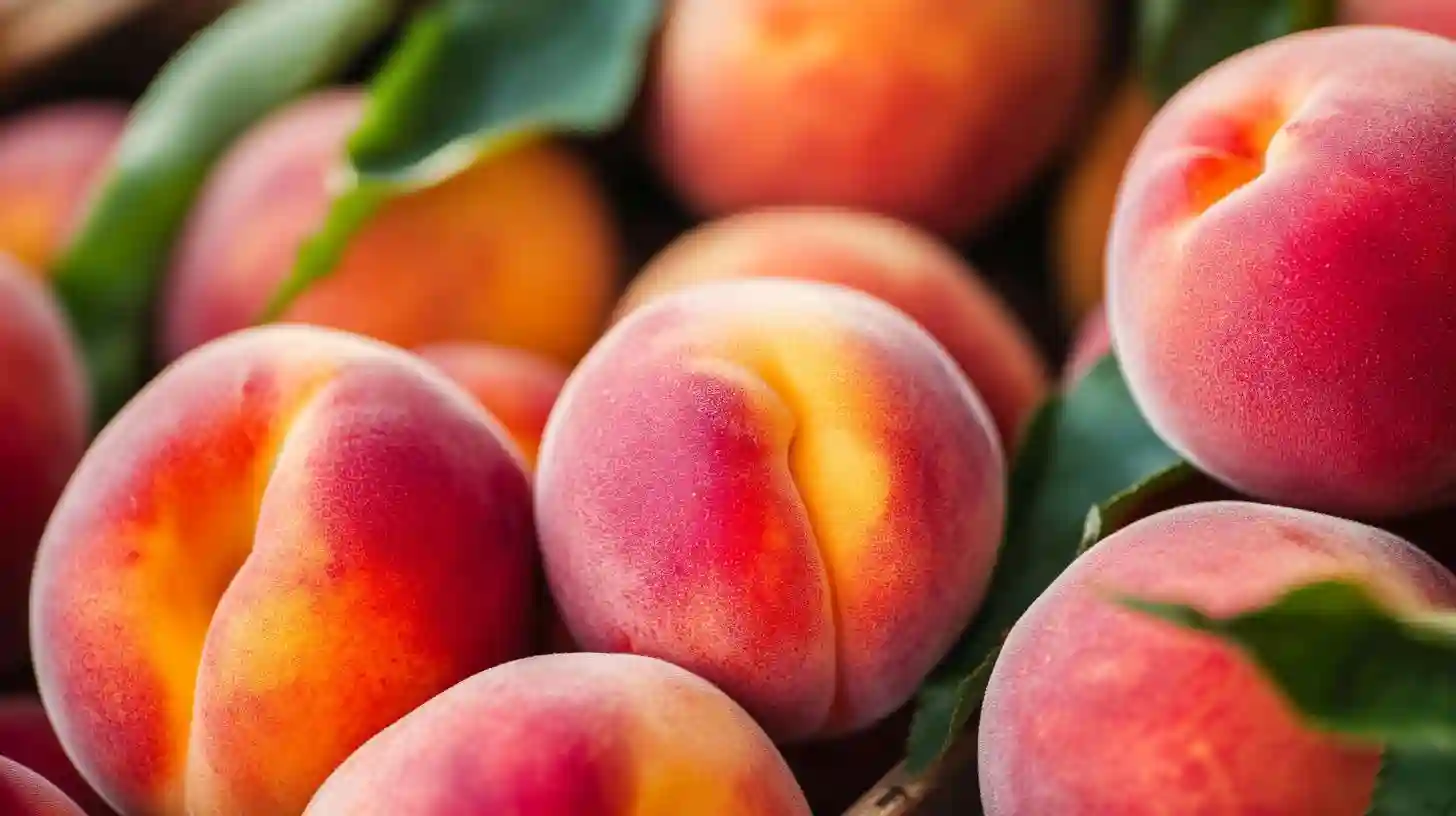
Fresh peaches, with their juicy sweetness and delicate aroma, are a cherished summertime treat. However, to maintain their optimal flavor and texture, proper storage is essential. One key question that often arises for peach lovers is whether refrigeration is necessary to prolong the freshness of these succulent fruits. Experts in the fields of food science and agriculture provide valuable insights into the best practices for preserving peaches, highlighting the role that refrigeration plays in maintaining their quality over time.
When peaches are harvested, they continue to ripen even after being picked. This ripening process is accompanied by the production of ethylene gas, a natural plant hormone that stimulates further ripening. When peaches reach their peak ripeness, they can develop a delightful softness and sweetness that many fruit enthusiasts crave. However, once fully ripe, peaches can quickly become overripe, resulting in mushy textures and off flavors. This is where refrigeration comes into play. Cooling peaches can slow down the ripening process, providing a window of time to enjoy the fruit at its best.
Refrigeration works by reducing the temperature of the peaches, which inhibits the production of ethylene gas and slows metabolic processes. For peaches that are already ripe, refrigeration can extend their life by several days, allowing consumers to savor their fresh taste without the immediate urgency of eating them. However, it's crucial to understand that refrigeration is most effective when peaches are put in the fridge shortly after they reach ripeness. If peaches are left at room temperature until they are overripe, refrigeration may only serve as a temporary fix, and the fruit may still degrade in quality.
Yet, storing unripe peaches in the refrigerator can hinder their maturation. If you purchase firm peaches that are not quite ready to eat, leaving them at room temperature allows them to ripen naturally. The ideal environment for ripening is a cool, dark place, such as a countertop, where airflow is maintained. If storage conditions are too cool or too humid, it may interfere with the proper development of flavor and sweetness.
Once ripe, the best storage method involves placing peaches in the produce drawer of the refrigerator, ideally in a breathable container that allows for some airflow while protecting them from moisture. This may mean avoiding tightly sealed plastic bags and opting instead for perforated bags or containers lined with a paper towel to absorb excess moisture. Keeping the peaches dry is crucial because excessive humidity can lead to mold growth, diminishing their quality and potentially causing spoilage.
When taking peaches out of refrigeration, it's best to let them warm up to room temperature before consuming. The reason is that cold temperatures can dull the flavor and texture of ripe peaches. By allowing them to return to a warmer state, the natural sugars and juices inside reawaken, resulting in a more satisfying eating experience. If time allows, letting peaches sit at room temperature for a few hours can revive their original character.
Another interesting aspect of peach storage involves the presence of brown rot, a common fungal disease that affects stone fruits. Refrigeration can serve as a preventive measure against the spread of this fungus, which proliferates in warm, humid conditions. Storing peaches at a cooler temperature can inhibit the fungal spores from germinating. However, regular checks for spoiled or damaged fruits remain imperative, as one affected peach can lead to accelerated spoilage of neighboring fruit.
For those looking to preserve peaches beyond their fresh state, there are several techniques worth considering. Freezing is an effective method that can help capture their peak flavor. Prior to freezing, it's advisable to wash and slice the peaches, followed by blanching them briefly in boiling water to deactivate enzymes that may cause discoloration and loss of texture. After cooling them in an ice bath, the peach slices can be stored in airtight containers or freezer bags.
Another preservation method is canning, which typically involves a syrup or juice solution to protect the integrity of the peaches while they are processed in jars. Canning can retain the flavor and nutrients of the peaches for several months, providing a taste of summer even during the colder seasons.
Whether enjoyed fresh, canned, or frozen, understanding the nuances of peach storage and preservation can significantly enhance the eating experience. Taking time to implement these practices can ensure that this beloved fruit remains a staple of summertime joy, allowing families to fully embrace the sweet and vibrant nature of fresh peaches.