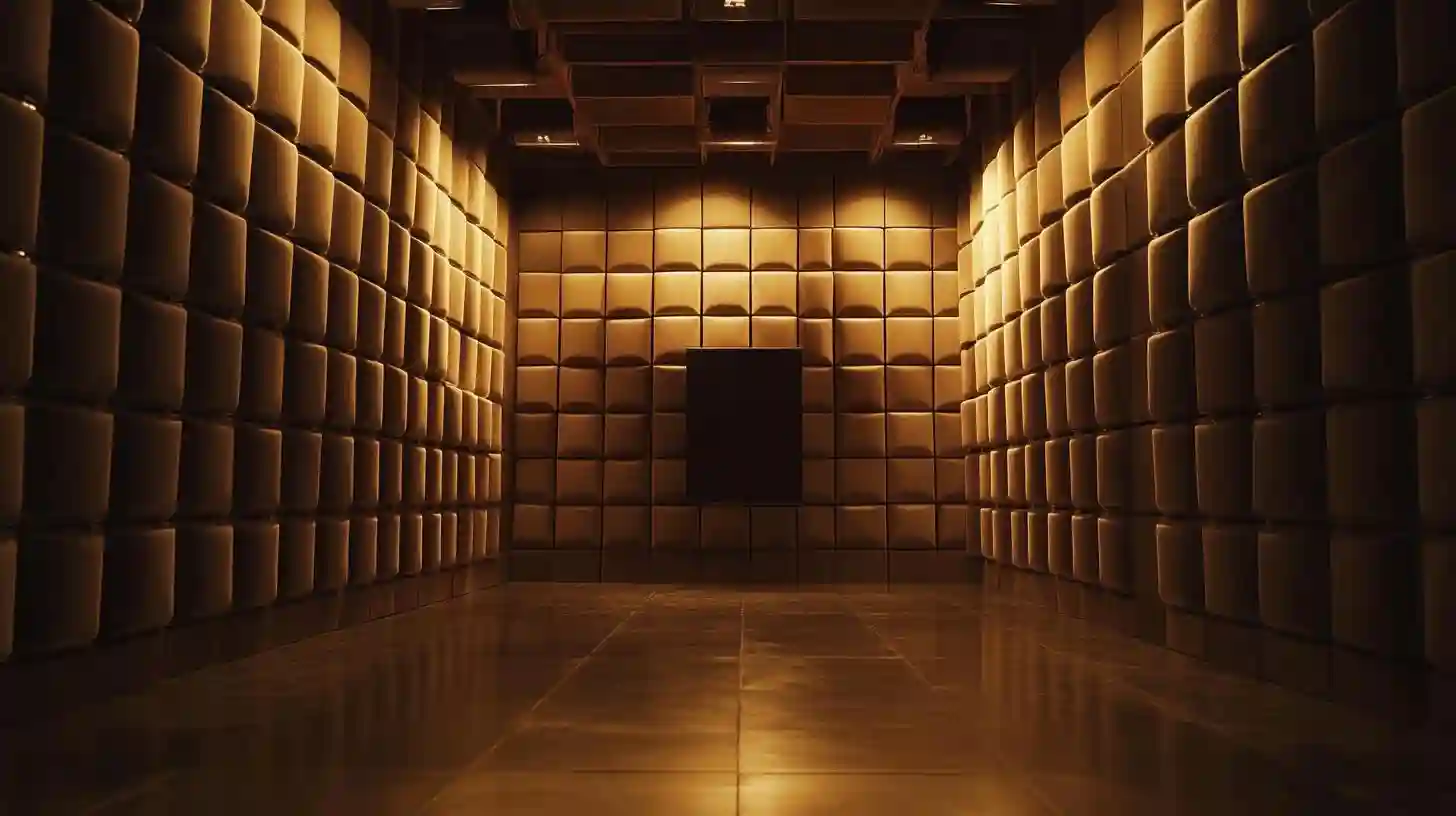
In the heart of Minnesota lies what is proclaimed to be the world's quietest room, a fascinating space that has intrigued scientists, artists, and even thrill-seekers alike. This remarkable sanctuary of silence is located within the Orfield Laboratories, known primarily for its acoustic testing. The room, engineered to capture extreme silence, is a result of meticulous design and innovative technology. Its walls are lined with thick sound-absorbing wedges, which provide a unique atmosphere where sound is all but absent.
Upon entering this extraordinary chamber, visitors are often taken aback not only by the profound silence but also by the peculiar sensations that arise. The noise levels in the room dip to a point where external sounds seem to vanish entirely. It is said that in complete silence, people can begin to hear their own internal body sounds, such as the beating of their hearts or the subtle movements of the digestive system. This phenomenon can be disconcerting for some, especially those not accustomed to such extreme tranquility. The experience can evoke emotions ranging from feelings of peacefulness to anxiety, as the mind grapples with the absence of familiar sounds.
The psychological effects of total silence are profound and can lead to a variety of reactions. For some, the stillness may evoke feelings of calm, serenity, and introspection. The peace found in this quiet void encourages reflection and mindfulness. Others, however, may find themselves feeling uncomfortable or even claustrophobic, as the lack of sound can strip away distractions that often shield individuals from their thoughts and feelings. This duality of experience highlights the complex relationship humans have with sound, silence, and mental well-being.
Scientists often use the room for experimental purposes, studying the effects of sound deprivation on the human psyche. In these isolated settings, researchers have gathered valuable insights into auditory experiences, sensory perception, and psychological responses. The quietude can influence cognitive functions and emotional processing, leading to discussions about the importance of managing sensory environments. Findings from studies conducted in the world’s quietest room have implications for various fields, including psychology, acoustics, design, and even architecture.
Creative individuals have also found inspiration within the walls of this silence-laden sanctuary. Artists and musicians sometimes seek out this space as a retreat from the noise of the outside world. The quiet offers an opportunity for deep creativity and thought, often prompting the birth of new ideas and artistic expressions. The room challenges conventional work environments that are often filled with distractions, especially in today's fast-paced world. It encourages a more profound and deeper exploration of one's self and creativity, highlighting the value of solitude and silence in the artistic process.
While the room may appear to be a simple quiet space, it is layered with complexities that provoke consideration of how sound shapes human experiences. Living in a world filled with constant noise, from traffic to technology to chatter, many people lack opportunities to experience extreme silence. This lack can lead to an overwhelming sense of sensory overload. The world’s quietest room serves as a poignant reminder of the need to take time for silence amidst the cacophony of modern existence.
Additionally, debates surrounding noise pollution and its effects on health are prominent today, as many people grapple with the consequences of living in a world dominated by sound. Studies indicate that elevated noise levels can lead to increased stress, decreased concentration, and various physical ailments. In contrast, the serene environment of the quiet room exemplifies a remedy that many may not realize they desperately need. Encouraging the incorporation of quiet spaces into our daily lives can pave the way for improved mental health, creativity, and overall well-being.
The existence of this silent chamber encourages individuals to confront the nature of their experiences, perhaps leading them to a new understanding of the role sound plays in their lives. Whether through the exploration of artistic possibilities, scientific inquiry, or reflective solitude, the world’s quietest room offers an extraordinary opportunity to reconnect with oneself in the midst of a noisy world. This remarkable sanctuary teaches that silence is not merely the absence of sound but a profound state that can enhance human consciousness, creativity, and emotional clarity. The allure of such a unique space continues to draw people from all walks of life, revealing the essential harmony between silence and sound in the ongoing narrative of human experience.