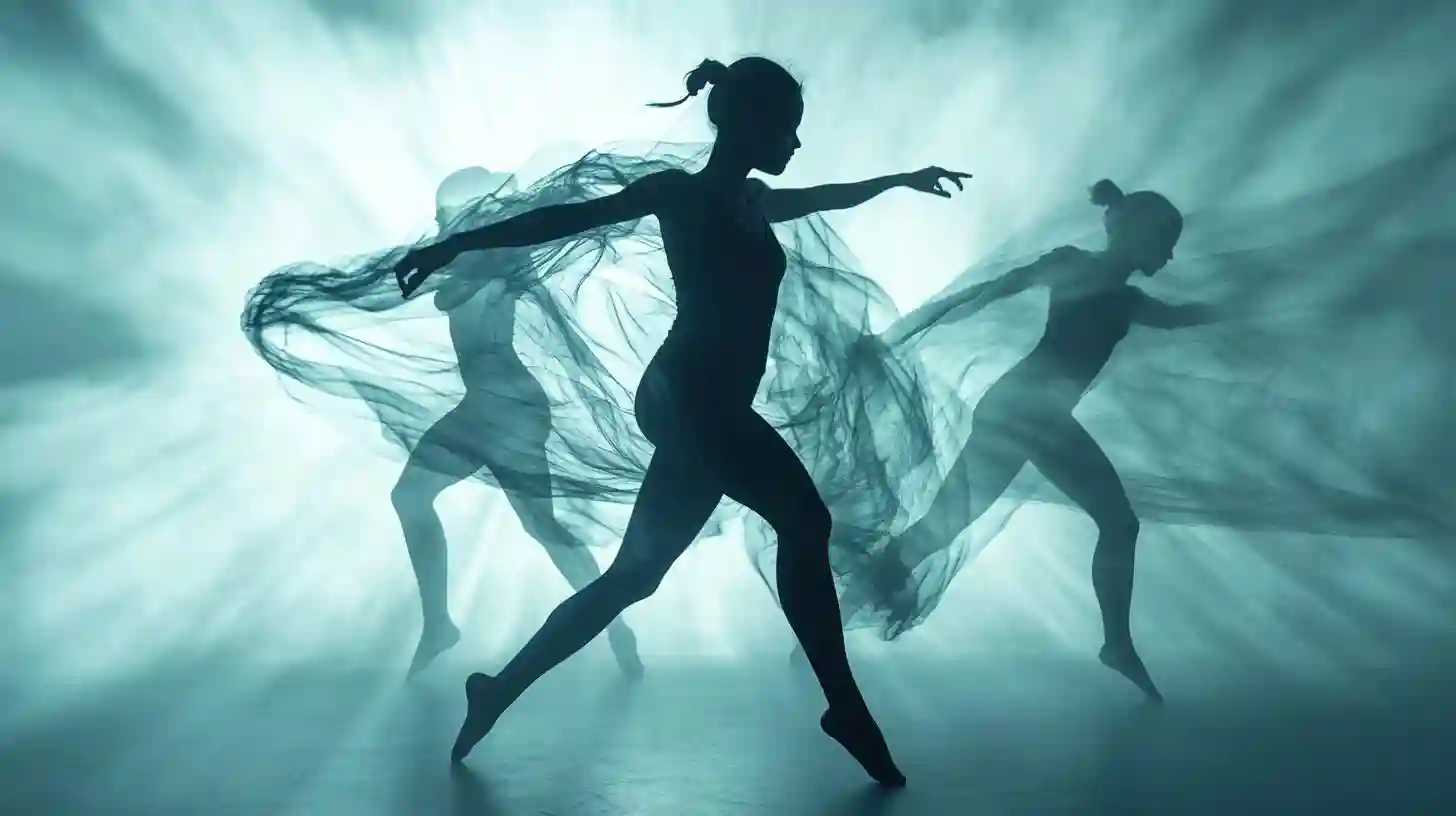
Jazz dance has roots that dig deep into the fabric of American culture, blossoming through a tapestry of influences that reflect the dynamic social changes and artistic expressions across the decades. This captivating form of dance has witnessed significant milestones, marking its evolution from an informal, community-based practice to a refined genre embraced on global stages.
The early seeds of jazz dance trace back to African rhythms and traditional African dance, which found a new home in the United States. The brutality of slavery drove many African people to capture their culture through dance as a form of expression and resilience. As African Americans found themselves in urban centers, particularly in New Orleans, their dances began to intertwine with other cultural influences. This melting pot paved the way for jazz music, and naturally, jazz dance emerged alongside it. The joyful exuberance of these early performances often took place in social gatherings, showcasing styles that were spontaneous and rooted in everyday life.
As the 20th century dawned, jazz dance began to evolve more distinctly. The rise of jazz music, with its rhythmic freshness and improvisational elements, naturally lent itself to dance. The Harlem Renaissance, a cultural explosion in the 1920s, was crucial in establishing jazz dance as an artistic expression. Venues like the Cotton Club and the Apollo Theater opened their doors to a wider audience, allowing dance to flourish as a significant art form. Dancers such as Josephine Baker became icons, using their performances to challenge societal norms and celebrate Black culture. Their footwork alone—characterized by a mix of syncopation and improvisation—captivated audiences and laid the foundation for future styles.
In the 1930s and 1940s, jazz dance captured the golden age of Hollywood with the introduction of musical films. Dancers like Fred Astaire and Ginger Rogers showcased elegant choreography on screen, merging jazz with the precision of ballet. Their performances introduced jazz dance to a broader audience, emphasizing a theatrical style that combined storytelling and intricate footwork. This era not only popularized jazz dance but also provided a crucial platform for the genre to reach audiences worldwide. The iconic “Swing” dance became especially prominent during this time, reflecting the exuberance and positivity of post-Depression America.
As jazz rhythmically pulsed through the airwaves in the 1950s and 1960s, an era of experimentation and cultural revolution began. Jazz dance mirrored these shifts, evolving into a more contemporary form as diverse influences from modern dance emerged. Choreographers like Katherine Dunham integrated Afro-Caribbean movements, creating a unique style that emphasized groundedness and fluidity. Meanwhile, artists such as Alvin Ailey transformed the landscape of jazz dance with their emphasis on social commentary and the celebration of African American history. His work, particularly pieces like “Revelations,” emphasized spirituals and African heritage, showcasing jazz dance as a narrative form with deep emotional resonance.
The latter part of the century ushered in a new age of jazz dance, driven by pop culture and the burgeoning influence of television. Dancers like Bob Fosse revolutionized choreographic styles, incorporating sharp lines, isolations, and the expressive use of the body. His contributions to Broadway and film, with shows like “Chicago” and “Sweet Charity,” redefined the aesthetics of jazz dance, intertwining it with storytelling, sensuality, and dramatic flair. Meanwhile, the emergence of dance television programs in the 1980s, such as “Soul Train,” further highlighted the vibrant movements and styles of jazz dance while introducing urban dance forms that drew deeply from street culture.
Entering the twenty-first century, jazz dance continued to evolve, blending with styles such as hip-hop, funk, and contemporary dance. Choreographers and performers embraced the diversity of movement and culture, creating hybrid forms that embody the spirit of innovation. Jazz dance today can be seen in various contexts—from formal concert performances to commercial platforms like music videos and competitions. Educational programs proliferate, teaching the foundational elements of jazz dance while fostering the next generation of performers who carry this artistic lineage forward.
Throughout its journey, jazz dance has remained a vital expression of human connection, creativity, and cultural identity. It is a dance that mirrors the shifting societal landscape, uniting people from diverse backgrounds through rhythm, movement, and a shared love for art. Every leap, turn, and innovative choreography links back to a history rich in struggle, joy, and the incessant pursuit of freedom and expression. This dance form continues to thrive and evolve, inspiring generations and encouraging all to dance to the beat of their own lives.