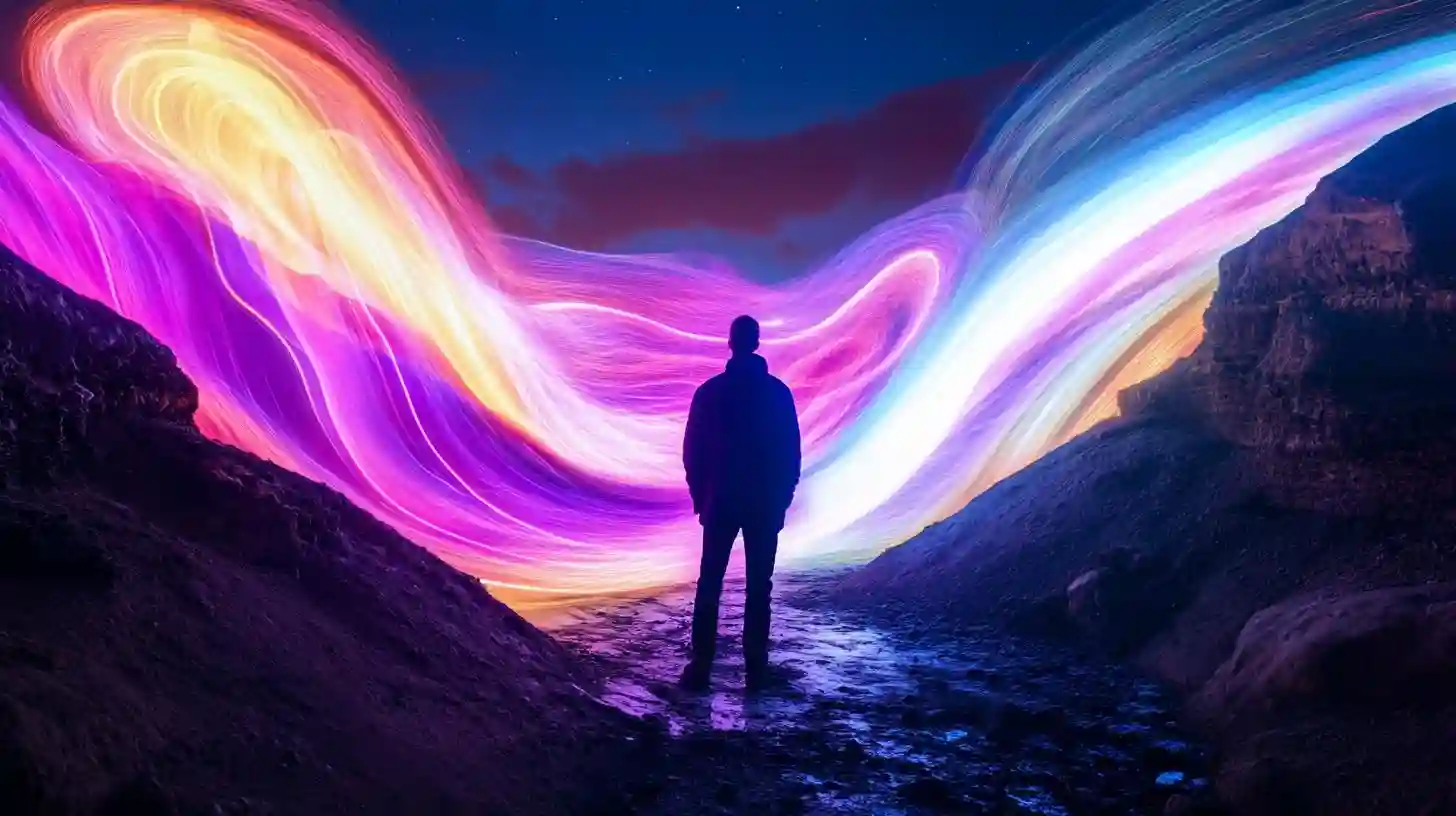
Light painting is a mesmerizing blend of creativity and technical prowess that allows photographers to harness the ethereal qualities of light through the art of long exposure. This captivating technique produces stunning visuals that often resemble dreams or fantastical worlds. The allure of light painting lies in its ability to transform the ordinary into the extraordinary, utilizing simple tools and techniques to evoke an emotional response from viewers.
Long exposure photography forms the backbone of light painting. By extending the duration that the camera shutter remains open, photographers can capture a scene over several seconds or even minutes. This method allows for the accumulation of light from moving sources, creating a visual story that is both dynamic and surreal. The usage of a slow shutter speed, typically set in the range of several seconds to minutes, ensures that stationary objects remain crisp while the illuminated elements blur and swirl in a dance of luminosity.
At its core, light painting is an exploration of creativity, offering endless possibilities for artistic expression. The tools required are deceptively simple; all one truly needs is a camera capable of long exposure, a tripod to stabilize the shot, and a light source such as a flashlight, sparklers, or LED devices. These light sources can be manipulated by moving them in front of the camera during the exposure to leave a trail of light that captivates the observer. Photographers often develop unique techniques involving colored gels, glow sticks, or even projection to enhance their creations, adding layers and depth to the imagery.
Delving into the process, light painting begins with careful preparation. Selecting the right location is essential; photographers often opt for dark, open spaces free from light pollution. Natural settings like forests, beaches, or urban landscapes quirkily lit at night create ideal backdrops for the luminous artworks. Once the scene is chosen, it is vital to set the camera in a stable position, usually on a tripod, to avoid any unintended movement that could blur the intended subject. The next step involves adjusting the camera settings for optimal capture, including the aperture to control light intake and ISO settings to maintain image clarity.
Creativity flourishes during the actual painting process. With the camera ready and the shutter open, artists begin to move their light source, crafting artistic shapes and patterns that emerge against the dark canvas. The vitality of this technique lies in its spontaneity; no two sessions produce the same outcome. As photographers become more attuned to the motion of light, they discover a unique rhythm, allowing them to paint designs, write messages, or even create abstract forms that speak volumes. Each movement of the light reveals an intricacy of patterns that would be impossible to achieve through conventional photography.
There is a meditative quality to light painting. As photographers immerse themselves in the act, they often lose track of time, becoming one with the environment and the energy of the motion. This connection fosters an inspired state, heightening creativity and yielding a treasure trove of ideas for future sessions. Some artists collaborate, delights unfolding as they share light sources and techniques, producing multifaceted pieces that tell a visual story.
The post-processing stage serves as another realm of creativity. After capturing the images, photographers often sift through them, selecting the most intriguing compositions. Software like Adobe Photoshop or Lightroom can enhance colors, contrast, or clarity to accentuate the luminosity of the light trails, sometimes allowing artists to layer different images to create a more dynamic piece. The digital darkroom thus showcases the original vision while providing the opportunity for refinement, resulting in breathtaking final pieces that merge imagination and reality seamlessly.
Light painting has also captured the hearts of enthusiasts and professionals alike across the globe. With platforms such as social media allowing for the sharing of techniques and finished artworks, it fosters a community of like-minded creators. Many photographers organize workshops, bringing together novices and seasoned artists to explore this enchanting form of expression. Artistic festivals and exhibitions increasingly feature light painting, showcasing the capabilities of the technique and inspiring new generations to pick up a camera and a light source for their luminous adventures.
The evolution of technology continues to influence light painting, with modern advancements offering new tools and techniques. Gadgets such as drones equipped with lights or more refined LED devices enable photographers to innovate and push the boundaries of what is possible. As artists embrace emerging technology, they expand the potential of light painting, showcasing intricacies and details that capture the imagination.
Light painting, rooted in long exposure photography, remains a fascinating and vibrant art form that encourages exploration and self-expression. Through the interplay of motion and light, it invites individuals to cast aside conventions and venture into a realm where creativity knows no bounds, creating a dialogue between the heart of the artist and the eyes of the beholder. The enchanting nature of this art form firmly establishes it as a magical journey worth every moment of exploration.